

by Beth Rush, Health & Wellness
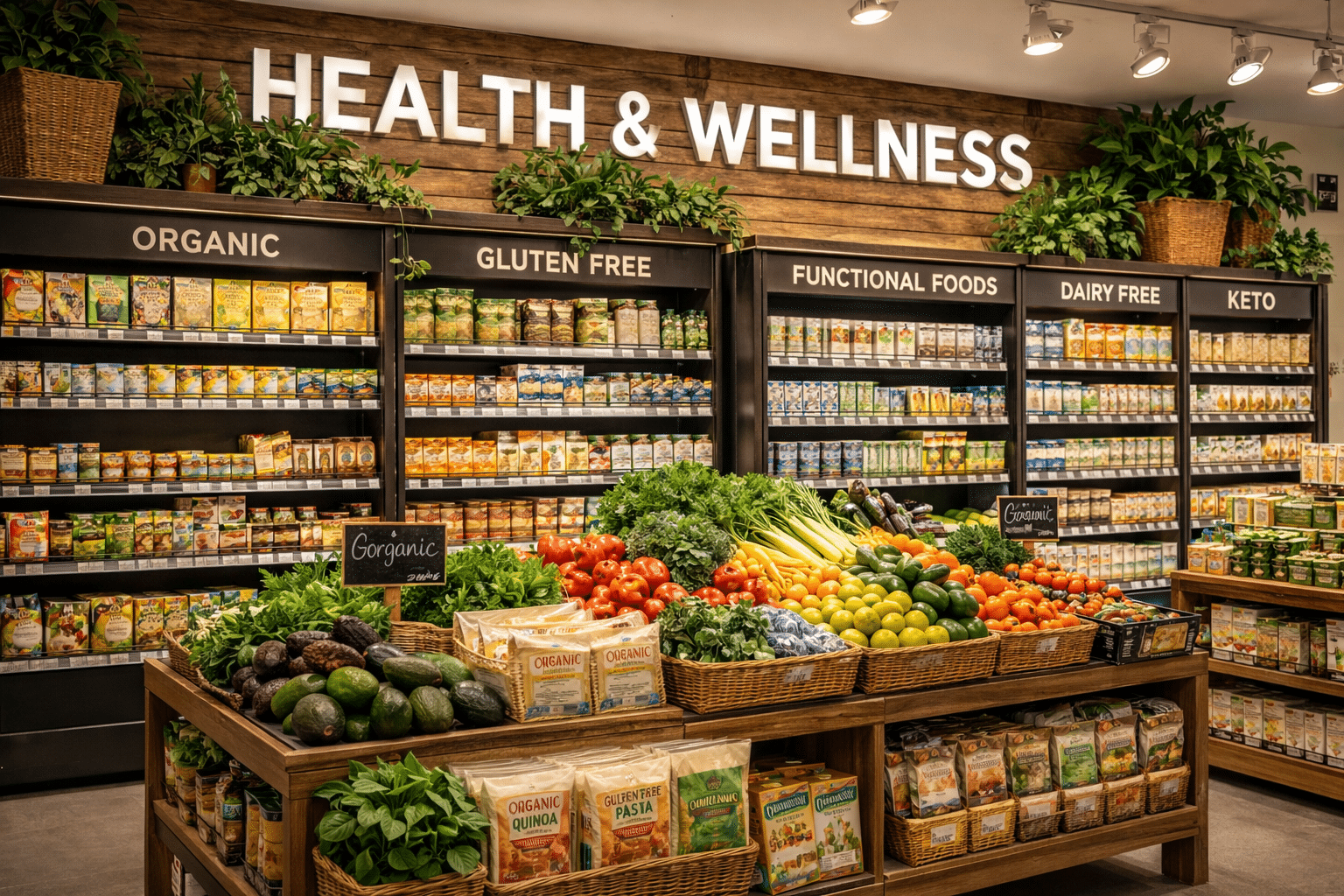
Editor’s Note: Health and Wellness is growing in importance for grocery retailers. It’s not just a category, or a bolt-on like an in-store pharmacy. It should be a full store brand approach to helping customers on their wellness journey. To that end, we thought we’d hear from health & wellness expert Beth Rush on the latest trends in the space.
In the Health and Wellness category, we are seeing trends today that would have seemed absurd 10 or 20 years ago. Health science, diet, and nutrition are constantly evolving topics. The pace of change and the complexity of consumer choices is challenging to keep up with.
This year is no different. But what’s changed is the consumer habits at a fundamental level. Shoppers are making more trips to more stores and they are doing it to find specialty items their primary grocery store doesn’t carry.
For years we have tracked health and wellness trends – the fads and the science.
The most surprising thing we are seeing is how much more attention the space is getting from consumers. Loyalty in the specialty health & diet space is highly fad driven, so here are some of the trends we are seeing that are driving eyeballs and interest.
Key Health and Wellness Trends 2026:
Gluten-Free & Allergen-Free
Gluten-free is exploding: Sales are predicted to more than double to $4.58 billion by 2033. Around the world, 1 in 100 people have an allergy to gluten – classified as celiac disease, an inherited autoimmune condition. Interestingly, gluten-free is perceived as a healthier option, even among people who do not have celiac disease or other related illnesses.
The cultural awareness behind clean labels and allergen-free foods has exploded. Many individuals with gluten or other dietary sensitivities have more than one food allergy. If you are sensitive in one area it affects a lot of other food choices as well.
Plant-Based Foods
While Plant-based foods were once the new kid on the block, they have become mainstream today. But that doesn’t mean that this category is slowing down. Far from it. Consumers are shifting to healthier eating habits across the board, and it’s driving continued interest in plant-based foods.
The vegan food market is set to grow by 17.4% each year through 2030, with dairy alternatives leading the way. Innovation abounds here and vegan foods continue to gain in popularity and selection.
The Hottest New Trend: Fiber
Fiber is the new protein: Fiber-rich products are a hot new trend as consumers lean into gut-based health. Many of fiber’s benefits are well-known: weight management, cholesterol management, and blood-sugar control.
As a component, fiber is indigestible in the human stomach. It doesn’t break down but helps our gut biome and promotes a healthy colon. Feeling full is a huge fiber benefit for consumers.
Functional Foods
Functional foods have grown in popularity since Covid. These are foods fortified with bioactive compounds and nutrients including: amino acids, vitamins, minerals, proteins, fatty acids, probiotics and prebiotics.
These functional foods promise to deliver immune, gut, cognitive or other energy benefits, and are expected to become a $177.22 billion market by 2032.
GLP-1s
We would be remiss if we didn’t at least mention the impact that GLP-1s are having on health trends today. These drugs give users feelings of satiety which dials down appetites. For the first time in 40 years the average consumer calorie count hasn’t grown. It’s because of widespread GLP-1 usage.
Consumers on this medication will be looking for portion controlled food and higher nutrient and protein amounts. We feel this could affect the frozen food aisle most significantly with healthy options and quick preparation foods.
Specialty Dietary Equals Consumer Connection
The specialty dietary surge is not temporary and looks set to deepen and diversify further. The operational challenge for something ‘simple’ like gluten-free assortments is that they contain vastly more SKUs than mainstream categories.
There could be 15-20 gluten-free options in a typical bread aisle alone, each with different sell-through rates depending on region and demographics. This level of specialty dietary SKU inventory management is challenging for chains of any size.
There will be strategic openings for regional players who can nimbly connect with their customers within their health journey.
Consumers aren’t just looking for product substitutes anymore. They are looking for sophisticated ingredients to integrate into their diet – and your ability to provide that unique product mix can be a key competitive difference.
An Action Plan for 2026
Adding a basket of glute-free and allergen-free products can be challenging. We worked with the editors of Food Trade News to help position your teams to take advantage of the current health trends… and the ones that we don’t even know yet.
Empower Your Local Teams
Empower local buyers and store managers to act as market specialists, with authority to bring unique products to light. This reduces the lag time between identifying a health trend and capitalizing on it.
Design Aisles That Teach and Sell
Effective curation is important to promote new products and trends. But don’t forget that educating the consumer – or re-educating them with the truth – is just as important to maintain a dialog. It transforms a shopping trip into an opportunity for discovery, education, good health and good living.
Build a Flexible Supply Chain
Prioritize relationships with local suppliers that can support a flexible supply chain, including small order volumes and direct-to-store deliveries. Making your stores a unique destination with products they simply can’t find anywhere else should be key.
It’s About Your Customer’s Health Journey
National chains like Kroger, Albertsons and Walmart are accelerating their gluten-free expansion, and healthy options are growing. Stores like Sprouts are built upon the customer health experience.
What once was a small organic or health section in your local stores has probably grown tremendously. We may be at the health food tipping point where organic/health stops being its own section and is now integrated with the rest of the store.
For many consumers it’s a journey and lifelong path to improving their lives. Healthy living and the products that support it isn’t about perfection – it’s about small, daily choices that can add up. In many ways retailers can do the same by adding products that matter.


