

by Food Trade News Team
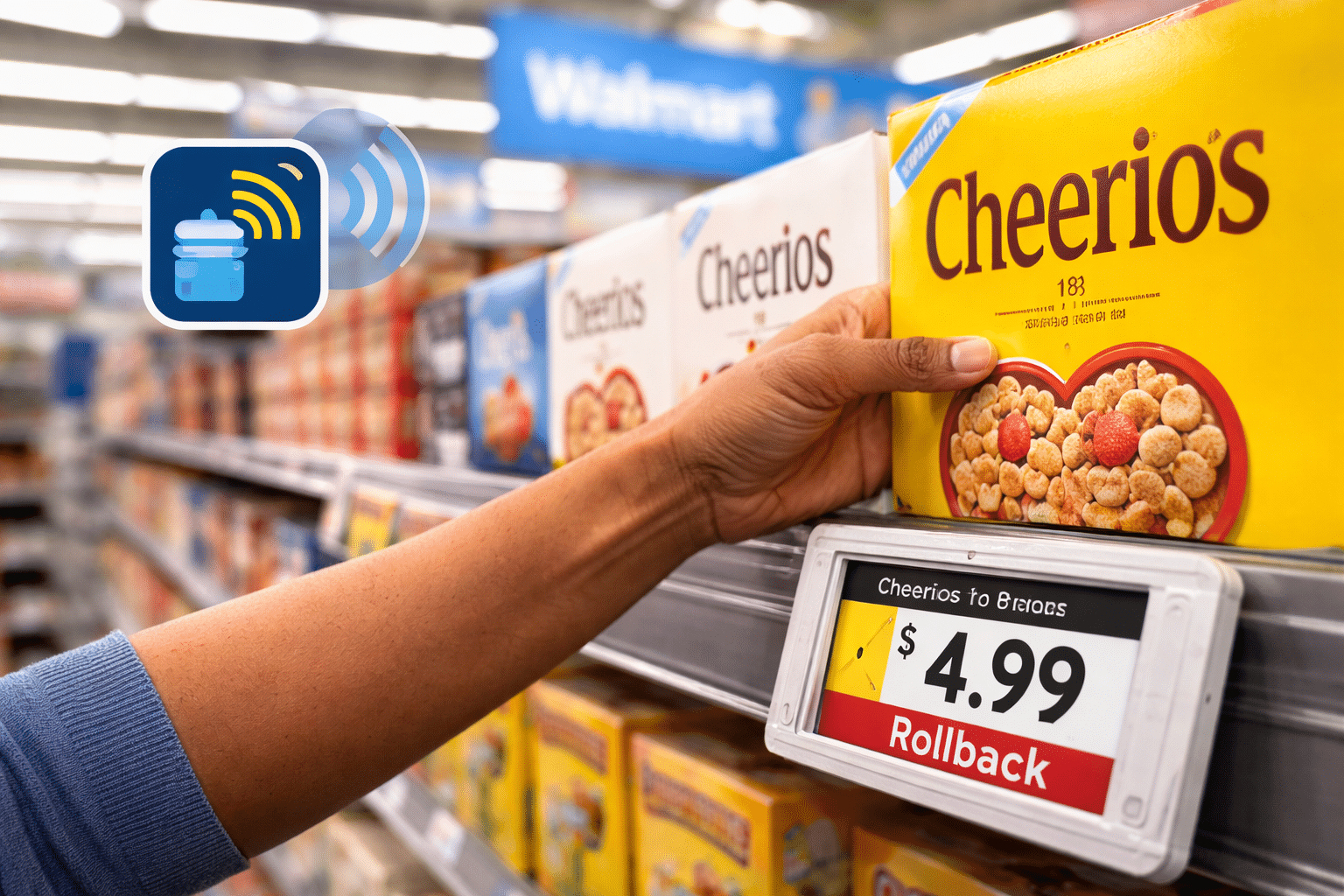
As debate intensifies over the use of digital pricing technology in retail, Walmart says it plans to expand electronic shelf labels to all of its U.S. stores by the end of the year.
The move comes as labor groups and some policymakers warn that digital shelf labels could pave the way for “surveillance pricing” or rapid algorithmic price changes inside stores. The United Food and Commercial Workers, for example, has called for restrictions on the technology, arguing it could enable retailers to adjust prices dynamically based on demand or shopper data.
Retailers, however, say the technology is primarily about operational efficiency rather than price experimentation. Walmart noted that its digital labels operate on a closed system that does not interact with shoppers or collect customer data, and that prices will remain consistent for all customers within a given store.
The company has already installed the labels in roughly 2,300 locations and says the rollout will reach the rest of its U.S. stores within the next year. The system allows associates to update prices centrally, reducing pricing errors and eliminating the need to manually replace paper tags across thousands of items.
Digital shelf labels can also help store staff identify low-stock items and speed up online order fulfillment. Using a mobile app, employees can activate LED lights on shelf tags to guide them directly to items when picking orders.
The initiative is part of Walmart’s broader effort to modernize store operations and supply chain infrastructure. The company began testing the technology at its Grapevine, Texas “Store of the Future” location and has expanded the rollout alongside other automation and AI tools designed to improve inventory management and reduce manual tasks.
Still, the growing policy debate around digital pricing suggests the technology’s expansion could face increasing scrutiny as grocers continue digitizing the physical store.


