

by Michael Rathburn, Special Contributor for Store Layout/Merchandising
For many families under a serious time crunch during the week, dining out is simply not an option.
Between long workdays, school activities, sports practices, and endless commuting, most evenings feel like a race against the clock. Compounding the challenge, inflation and skyrocketing food prices have made restaurant meals a luxury many households can no longer justify on a regular basis.
Dining-out costs have risen dramatically in recent years, with menu prices climbing far faster than grocery inflation. What was once an occasional treat has become an expensive indulgence, pushing more families to seek restaurant-quality experiences at home without the added cost, travel, or wait times.
Grocery retailers looking to offset intense restaurant competition and grow fresh-department sales should take a closer look at tiered, occasion-based themed dinner kits.
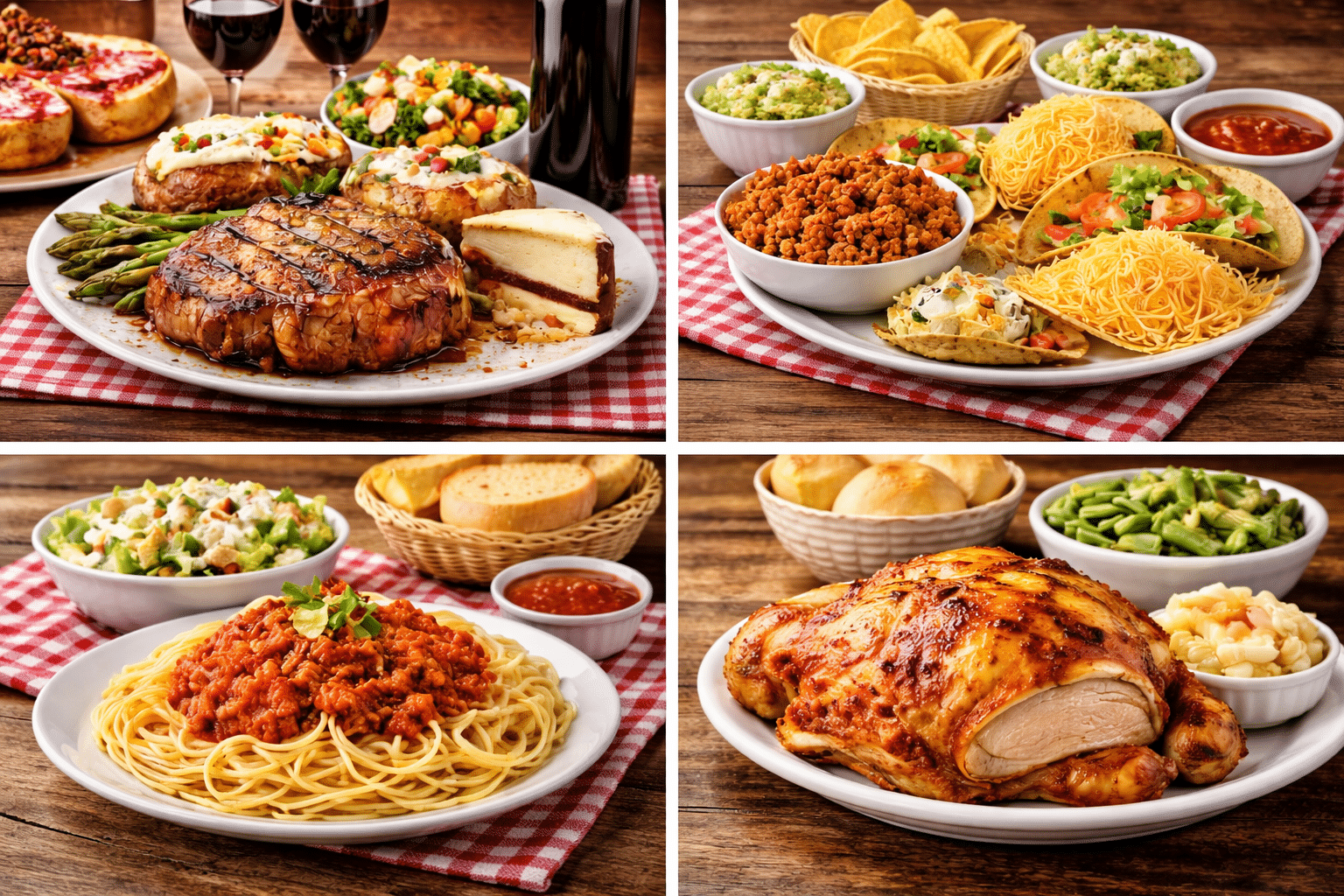
A simple four-tier program — Steakhouse Night at $99, Taco Night and Italian Night at $25 each, and Rotisserie Chicken at $20, all pre-portioned for four — offers a straightforward, highly effective way to deliver convenient, complete family meals while significantly lifting basket size and fresh category velocity.
FMI’s The Power of Foodservice at Retail 2025 report makes the case clearly. The portion of shoppers turning to deli-prepared foods as a restaurant replacement jumped from 12% in 2017 to 28% in 2025. More than half of shoppers now mix deli items with grocery staples, and a record 26% cook dinner at home seven or more times a week. These statistics confirm that dinner remains one of the highest-frequency occasions where retailers can compete head-to-head with restaurants — provided they make the solution both easy and affordable.
Most grocery banners have not yet rolled out comprehensive themed-kit programs, but the format aligns perfectly with 2026 consumer realities. Pre-portioned kits dramatically cut prep time and shrink while delivering restaurant-style results without the restaurant check. Early tests of similar meal bundles have shown impressive 30-40% lifts in meat, produce, and deli sales during limited promotional windows.

At the value end, the $20 Rotisserie Chicken dinner provides a fully cooked bird, creamy mac and cheese, seasoned green beans, and warm rolls — landing comfortably under $5 per person for a truly no-fuss midweek meal. This option resonates strongly with exhausted parents seeking something hot and satisfying with zero cooking effort.
Filling the middle ground, the $25 Taco Night and Italian Night kits bring exciting global flavors that busy households and younger shoppers crave. Taco kits might include seasoned protein, soft tortillas, fresh toppings, salsa, and guacamole, while Italian Night could feature pasta, rich marinara, garlic bread, and Caesar salad. Both eliminate decision fatigue and the need for multiple separate purchases.
Three execution points are critical for success. First, calendar-aligned theming keeps the program relevant and exciting. Kits should match real eating occasions — weekend gatherings for steakhouse night, casual weeknights for taco or Italian, and quick comfort for rotisserie chicken. Tie rotations to the calendar with summer grilling themes, back-to-school speed meals, or holiday-inspired bundles. This strategy prevents program fatigue and drives consistent movement across fresh departments year-round.
Second, create urgency through smart cross-merchandising. Use “limited time only” messaging, digital countdowns in loyalty apps, and prominent signage to encourage immediate decisions. Position high-margin add-ons such as beverages, extra sides, and desserts directly beside the kits. In-store sampling and quick-prep demonstration videos can convert browsers into buyers on the spot.
Third, multi-channel promotion combined with disciplined measurement drives results. Promote kits aggressively across weekly ads, endcaps, loyalty apps, email campaigns, and e-commerce with a clear “Add to Cart” button. Pre-portioned packaging reduces labor and shrink in fresh departments. Retailers should negotiate supplier allowances on proteins and produce to protect margins, particularly on the lower-priced tiers. Key metrics to track include SKU velocity, average basket lift, repeat purchase rate, and incremental sales versus baseline periods.
When executed properly, themed dinner kits create a powerful halo effect, driving incremental sales across meat, produce, dairy, bakery, and center store. The program also provides suppliers with predictable volume commitments, creating leverage for better pricing negotiations. While margin pressure on value tiers and execution consistency present real challenges, both are manageable with data-driven adjustments.
As inflationary pressures persist into 2026 and consumer interest in multicultural flavors continues to grow, retailers should test extensions such as Asian stir-fry kits, BBQ night bundles, or Mediterranean-inspired options. A small-scale pilot in select stores can deliver rapid feedback on sales performance, customer satisfaction, and loyalty impact with minimal risk.
Ultimately, themed dinner kits allow grocery retailers to reclaim dinner from restaurants. By offering complete, occasion-based meal solutions instead of loose ingredients, stores position themselves as the smarter, more convenient, and more affordable choice for time-strapped families. Retailers who move first on tiered, themed dinner kits stand to gain significant ground in fresh department performance, overall basket ring, and long-term shopper loyalty in an increasingly competitive marketplace.


